


How Have Yorkshire Football Clubs and Their Stadiums Evolved Over Time?
- Jimmy Muir

- Mar 23, 2025
- 4 min read
Yorkshire, celebrated for its rich history and beautiful landscapes, has a football culture that is just as vibrant. The excitement around football in this region is palpable, with clubs that have unique identities and deep roots in local communities. The journey of Yorkshire football clubs and their stadiums illustrates an engaging story of growth, challenges, and a love for the beautiful game.
Historical Context
Football's origins in Yorkshire date back to the late 19th century, mirroring the sport's evolution across England. In this time, many clubs emerged, helping to establish the Football League in 1888. These clubs needed dedicated stadiums, leading to a variety of architectural styles and capacities that began to shape the local landscape.
The Early Days of Football in Yorkshire
In the late 1800s, iconic clubs like Sheffield Wednesday and Sheffield United emerged, laying the groundwork for a football craze across Yorkshire.
Sheffield Football Club is recognized as the world's oldest football club, highlighting Yorkshire's significant role in football history.
Initially, these clubs played on communal fields without a formal structure or dedicated seating for fans. However, their dedication to football was evident, and as they transitioned to official grounds, the sport began to thrive.
The Growth of Stadiums
As football's popularity soared, clubs recognized the need for better stadiums.
Early grounds like Olive Grove and Bramall Lane in Sheffield began to evolve, allowing larger crowds.
Bramall Lane, home to Sheffield United, opened its doors in 1862, making it one of the oldest stadiums still in use today. The 20th century witnessed a significant transformation with renovations that modernized various clubs' stadiums. These upgrades were crucial to accommodate growing fan bases and enhance facilities, shaping the clubs' futures.
Iconic Stadiums: A Deeper Dive
Bramall Lane
Location: Sheffield
Bramall Lane is known as the birthplace of Sheffield football.
This stadium has had numerous upgrades to enhance the historical experience while improving fan amenities. Over the years, it has hosted countless significant matches, including international fixtures for the England national team.
With a current capacity of about 32,000, it combines modern facilities with its vintage character.

Elland Road
Location: Leeds
Elland Road, the home of Leeds United, has seen substantial changes since its opening in 1897.
Originally built with a capacity of 30,000, it now accommodates over 37,000 fans thanks to various renovations.
The stadium has also hosted multiple international matches, proving to be a significant hub for both local and national football.
Hillsborough Stadium
Location: Sheffield
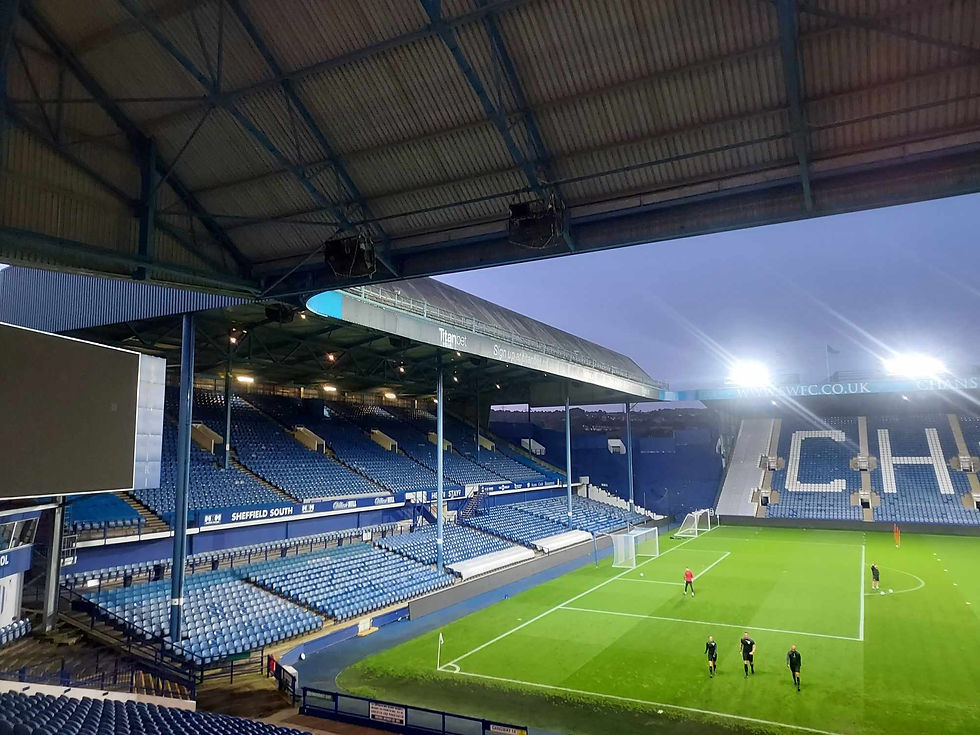
Hillsborough Stadium, home to Sheffield Wednesday, is another vital landmark in Yorkshire football.
Opened in 1899, Hillsborough boasts a remarkable capacity of over 39,000 and has experienced several expansions and renovations.
While it has hosted many memorable events, it is also known for a tragic disaster that led to vital safety reforms in football, forever changing the sport's landscape.
The Modern Era of Football Clubs
The 21st century has brought significant changes, driven by technology and investment.
Yorkshire clubs have embraced these trends, renovating their stadiums to offer fans a better experience and modern amenities.
Clubs are not just focused on matchday; they’re increasingly engaging with their communities. Events, outreach programs, and local initiatives have become more common, illustrating a commitment to fans beyond football.
Changes in Club Ownership and Management
The ownership landscape in Yorkshire football has also changed dramatically.
The influx of investment from both local and foreign owners has transformed many clubs financially, impacting their ability to upgrade facilities.
Notable examples include Leeds United, which secured investment for major renovations, and Hull City, which improved its hospitality spaces and technology. This capital injection has enriched the fan experience significantly.
Community Impact
Yorkshire football clubs are deeply integrated into their communities.
Many clubs have expanded their missions, leading to deeper engagement with local fans. This sense of connection results in increased attendance and community support, driven by upgraded stadiums and initiatives focused on building lasting relationships.
Youth academies and outreach programs have positioned clubs as more than just sports venues; they have become platforms for local growth and social responsibility.
Looking Ahead: Sustainability and Innovation
As we look to the future, Yorkshire football clubs are prioritizing sustainability.
With growing concerns about climate change, clubs are investing in eco-friendly infrastructure. This includes energy-efficient upgrades and using sustainable materials during renovations, aligning with global trends promoting environmental responsibility.
Clubs are also likely to incorporate smart technologies to enhance fan engagement. Innovations such as augmented reality experiences will not only rejuvenate matchdays but also modernize stadium infrastructures, attracting a younger audience.
Wrapping Up the Journey
The evolution of Yorkshire football clubs and their iconic stadiums reflects the broader changes in football itself.
From humble beginnings on grassy fields to state-of-the-art venues accommodating thousands, Yorkshire clubs have experienced remarkable transformations.
Their rich histories continue to shape today's football landscape, providing an exciting atmosphere that celebrates the sport.
As these clubs look forward, their commitment to innovation and community engagement will define the next chapter, ensuring Yorkshire remains a central hub of English football.
This journey tells the story of how Yorkshire football clubs have not only shaped players and teams but also significantly impacted their communities and cultures.
Note that this article was created using AI (Artificial Inelegance), therefore, information in this article may not be factual.


Comments